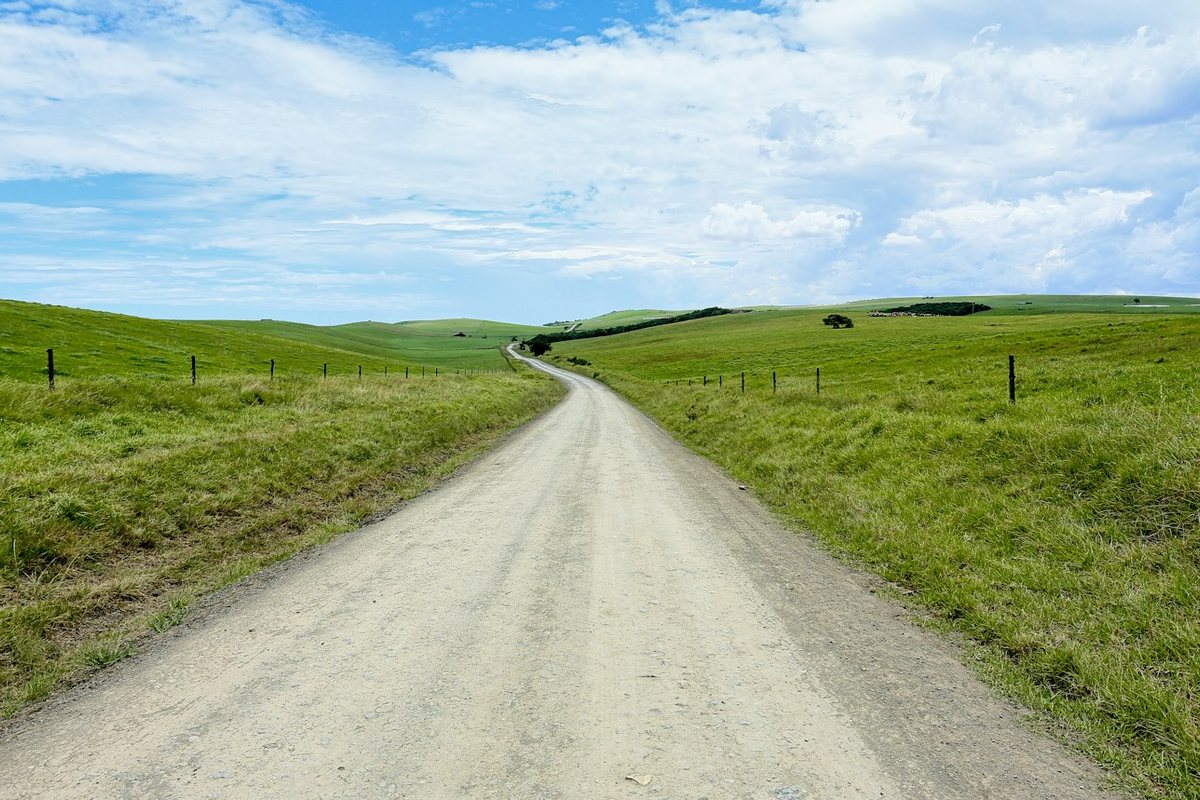
There was a hill on the old route that Julia used to measure in breaths. Forty to the bend, twenty more to the gate. After a long recovery from an injury, she returned with instructions from her clinician, sensible shoes, and a pace that made the hill seem newly interested in her attention.
She hated how slowly she moved. People passed with easy strides and bright watches. She recognized one runner from years before and looked down until he had gone. She did not want to explain why she was walking a route she used to finish before breakfast.
At the gate, she stopped as planned. Her first instinct was to bargain with the limit. Another hundred yards would prove something, though she couldn't say to whom. Instead, she leaned on the rail and watched a horse chew grass with complete indifference to personal records.
An older woman approached from the other direction. She carried no visible equipment beyond a small bag and an apple. They exchanged greetings. The woman asked whether Julia had seen the hawk that often perched on the fence. Julia had run past that fence hundreds of times and hadn't known there was a hawk.
“Perhaps it's taking the morning off,” the woman said, and continued down the hill.
Julia returned home annoyed by the smallness of the outing. Her husband asked how it had gone. She said she had barely done anything. He looked at the shoes she had been afraid to put on for months, then wisely resisted making an inspirational observation. He asked if she wanted coffee.
Over the next weeks, she followed the gradual plan. Some days felt easier, others didn't. She stopped treating every difficult morning as a forecast of her whole future. The route offered things she had previously passed too quickly to notice: a leaning wall, the smell of wet leaves, a dog that carried its own lead for the final stretch home.
These discoveries did not compensate neatly for what she missed. She loved running and wanted to return if she could. Gratitude for a walk did not require pretending she had never wanted more. She could be glad and disappointed in the same pair of shoes.
In prayer, she found herself asking less often to become her old self immediately. She asked for patience with the body she had that day and for the sense to follow good advice even when pride proposed alternatives. It was a less dramatic prayer than a request for instant restoration, and more relevant to the gate where she needed to stop.
One morning, the hawk was there. Julia stood still and watched it turn its head. For several minutes, nothing happened. Then it opened its wings and moved over the field with astonishing economy. She did not turn it into a message. It was a bird, and she had finally been slow enough to see it.
At home, her husband asked about the walk. Julia described the hawk, the mist in the low field, and the fact that she had reached the next agreed marker without difficulty. She mentioned the distance last. There were more ways to account for a morning than she had once allowed.