The bus crossed the bridge at six twenty-three, give or take traffic that usually hadn't woken up yet. For years, Rosa used the journey to sleep. She knew exactly how far her head could lean against the window before the next pothole made it a mistake.
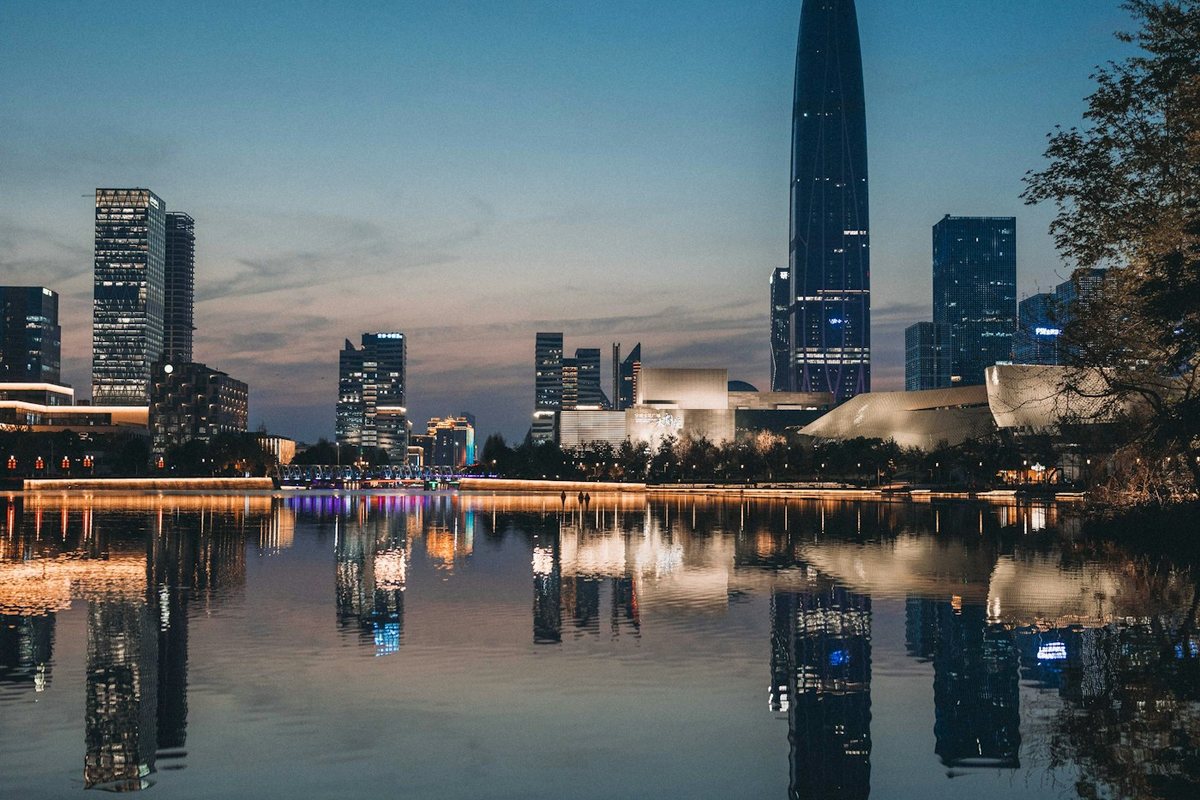
One morning, the driver braked for a cyclist and Rosa opened her eyes. The river below was holding the first light. Office windows reflected pale gold, and the sky between two towers had turned a shade she couldn't name. She had lived in the city for nineteen years and never thought of it as beautiful from this angle.
The view lasted perhaps thirty seconds. Then the bus turned, a warehouse blocked the water, and the morning resumed its usual collection of traffic lights and delivery vans. Rosa stayed awake.
At work, she told a colleague about the light. He said he was too tired to look at anything before seven. She understood. She did not intend to turn an early shift into a lesson about gratitude. The hours were hard, and the view did not make them less hard. It was simply something good that had been there alongside them.
The next day she sat on the same side of the bus. The sky was gray. On Friday it rained. She felt mildly cheated, then laughed at the idea that the river owed her an encore. Paying attention was not a contract with beauty.
She began noticing other things. A bakery turning on its lights. A man arranging flowers outside a shop before customers arrived. Two street sweepers sharing a joke she couldn't hear. The city was held together by people whose work happened before most of its inhabitants began asking things of it.
Rosa had often felt invisible in her own work. Seeing the others didn't solve that. It did make her feel less alone in the hidden hours. She started greeting the woman who cleaned the building next door. They learned each other's names while waiting at the crossing.
On Sundays, when prayers included thanks for daily bread, Rosa thought about the bakers on her route. She had once heard the phrase as something general and solemn. Now it contained actual flour, warm windows, and people starting ovens while the rest of the street slept. Gratitude became more specific, which made it less likely to dissolve into a vague good feeling.
She took a photograph of the river one morning and sent it to her grown son. He replied, Is that here? He knew the bridge as a place where traffic stalled. Rosa said yes, before you're awake. He sent a laughing face and asked whether they could walk there at the weekend.
They did, later than her usual crossing but early enough to see the light change. He bought coffee. They stood by the rail and watched a small boat pass beneath them. Rosa told him about the bakery and the woman at the crossing. He told her about a problem at work.
The river did not ask them to be cheerful. It moved beneath the bridge, carrying the light available that morning. When Rosa caught the bus on Monday, she was tired enough to sleep. She did. There would be other mornings to look out of the window.